Squish Ring
San Francisco, 2025
This design challenge explores the concept of creating squishy prototypes to enhance user interaction with everyday products. It emphasizes the limitations of traditional manufacturing methods for soft materials and highlights the effectiveness of 3D printing molds for silicone casting. The project begins with identifying a product that would benefit from a squishy design, focusing on small, handheld items. Key considerations include developing watertight molds with proper runners and gates to manage airflow and casting flow, as well as addressing potential air bubbles from the curing process.
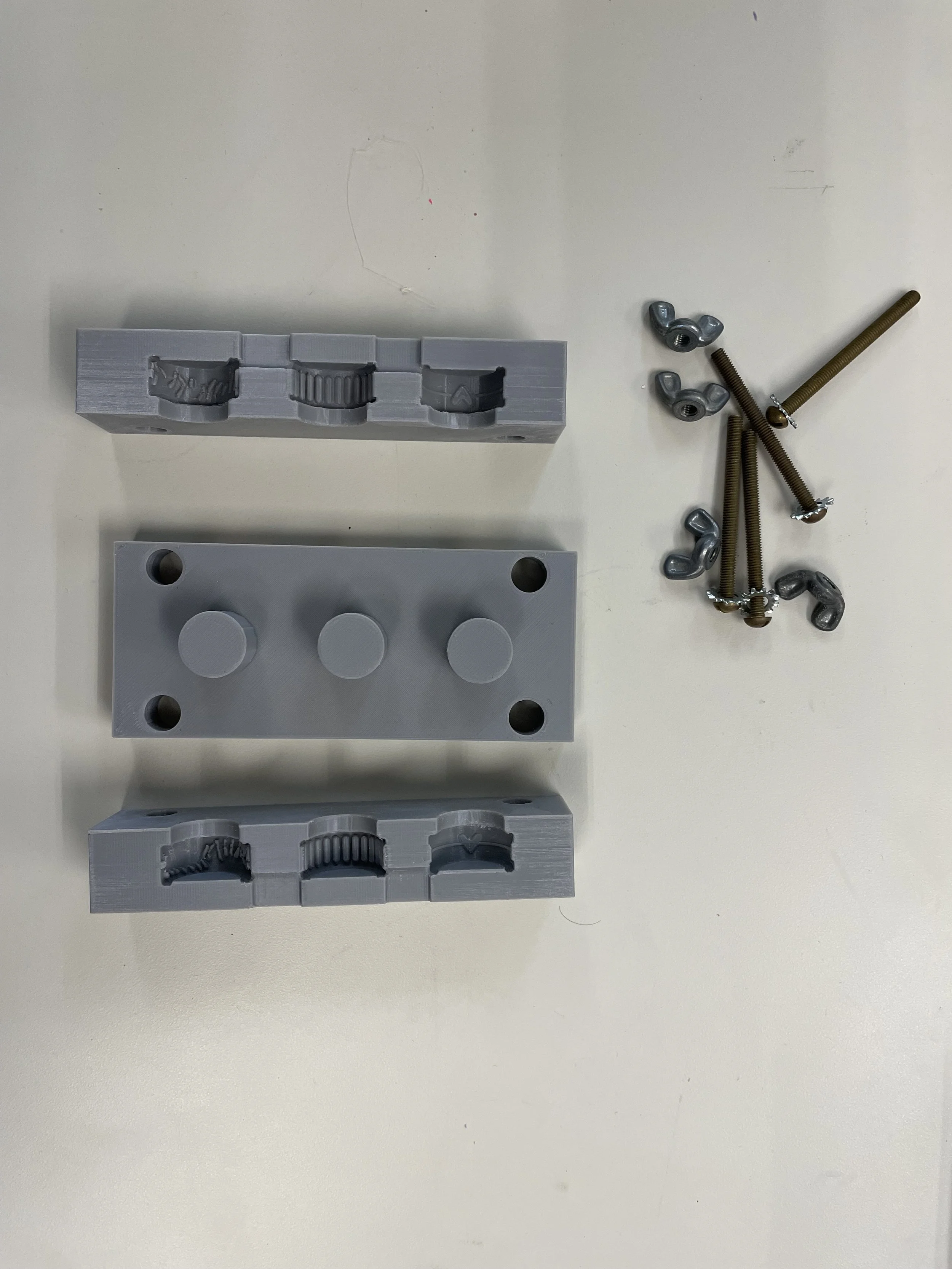
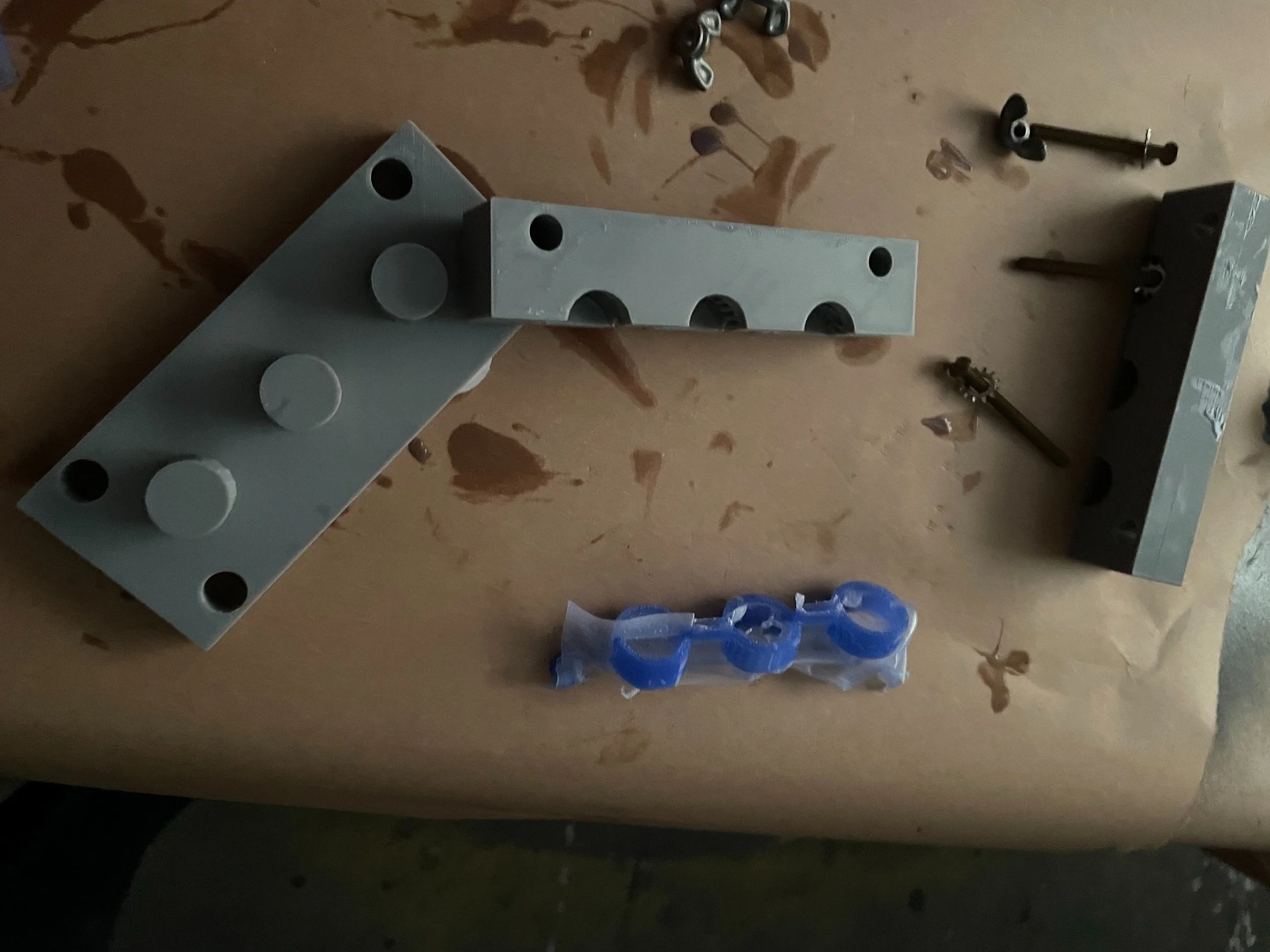
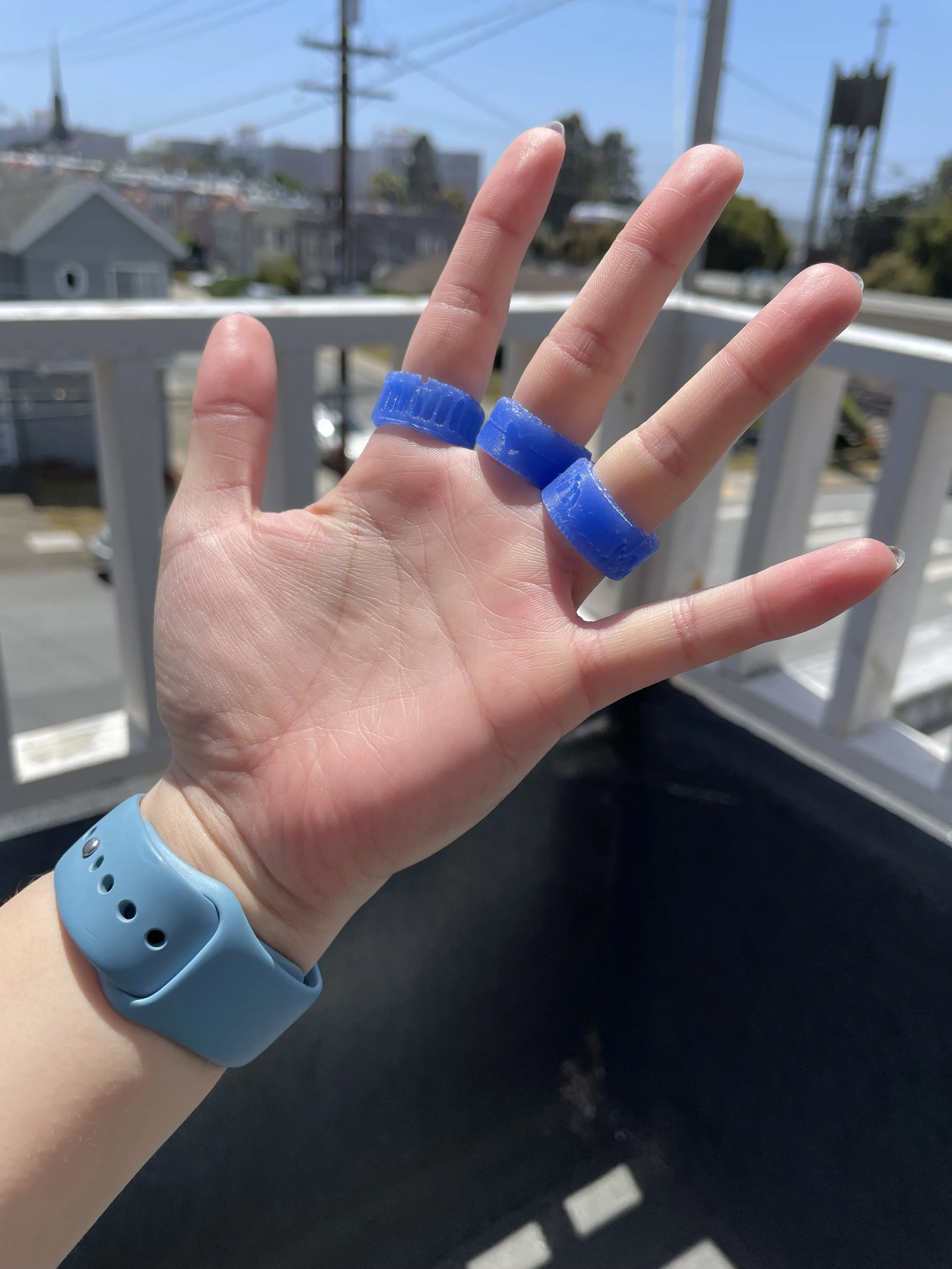
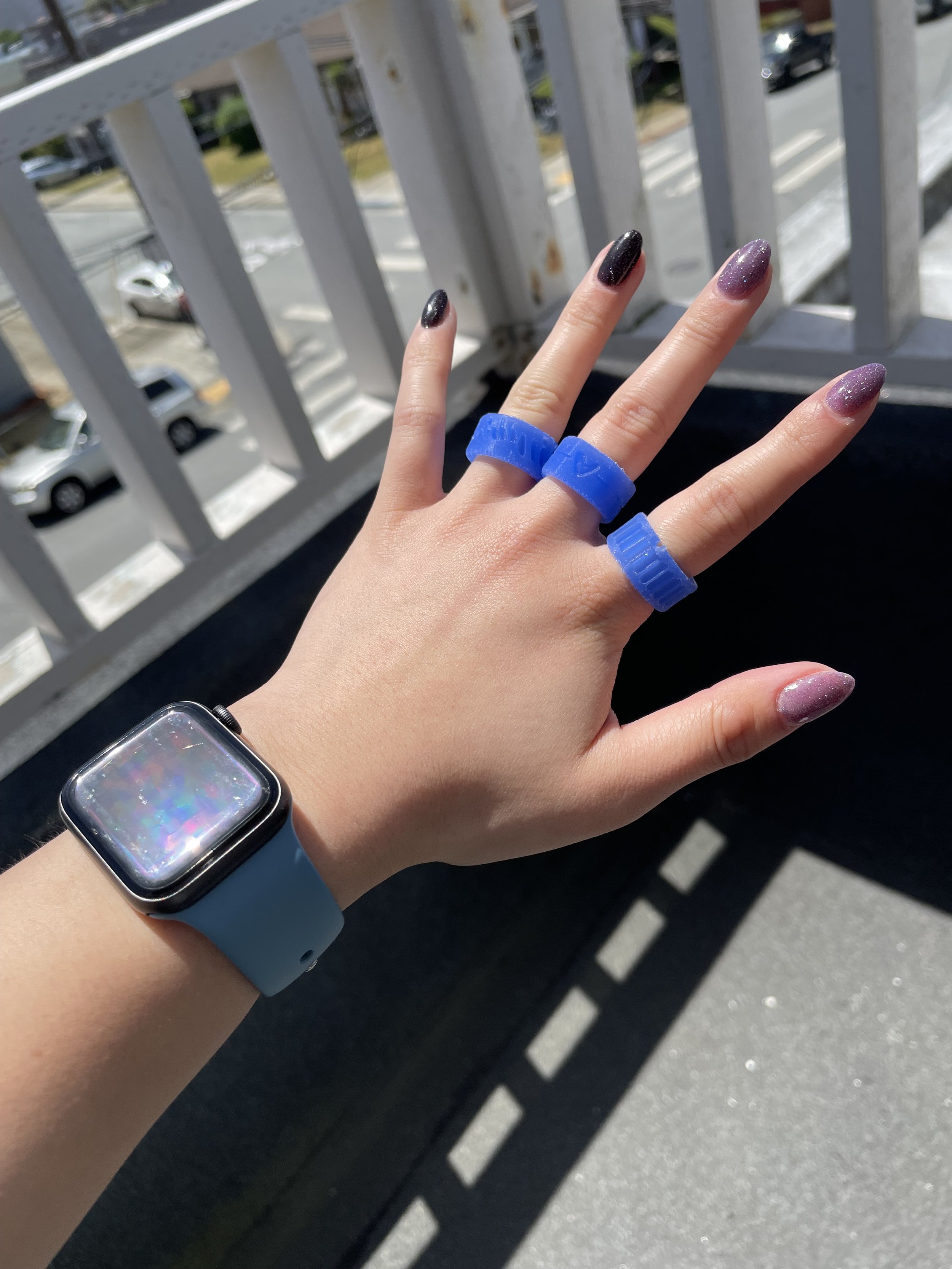
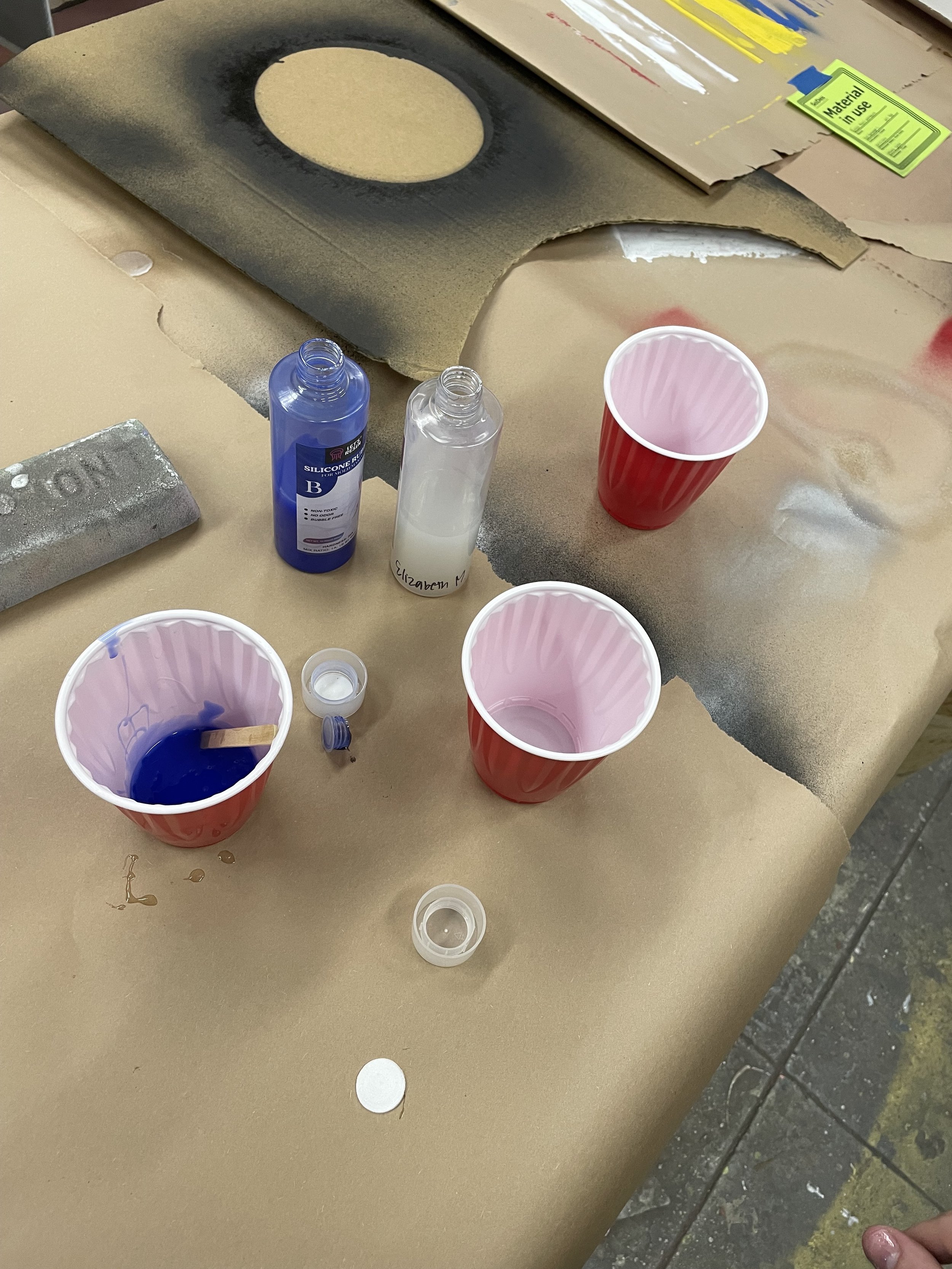
After completing the digital models, I 3D printed molds for the rings using PLA plastic. The molds were designed to preserve the specific textures, contours, and details developed in each digital model. I then used a two-part, food-safe silicone to cast the rings. The silicone allowed the molds to capture the surface details while producing a soft, flexible material that could be compressed and manipulated.
Once the silicone had fully cured, I carefully removed each ring from its mold. I performed additional post-processing to remove excess material, clean up the edges, and refine the surfaces. Small imperfections from the casting process were smoothed out to create a more finished and comfortable object.
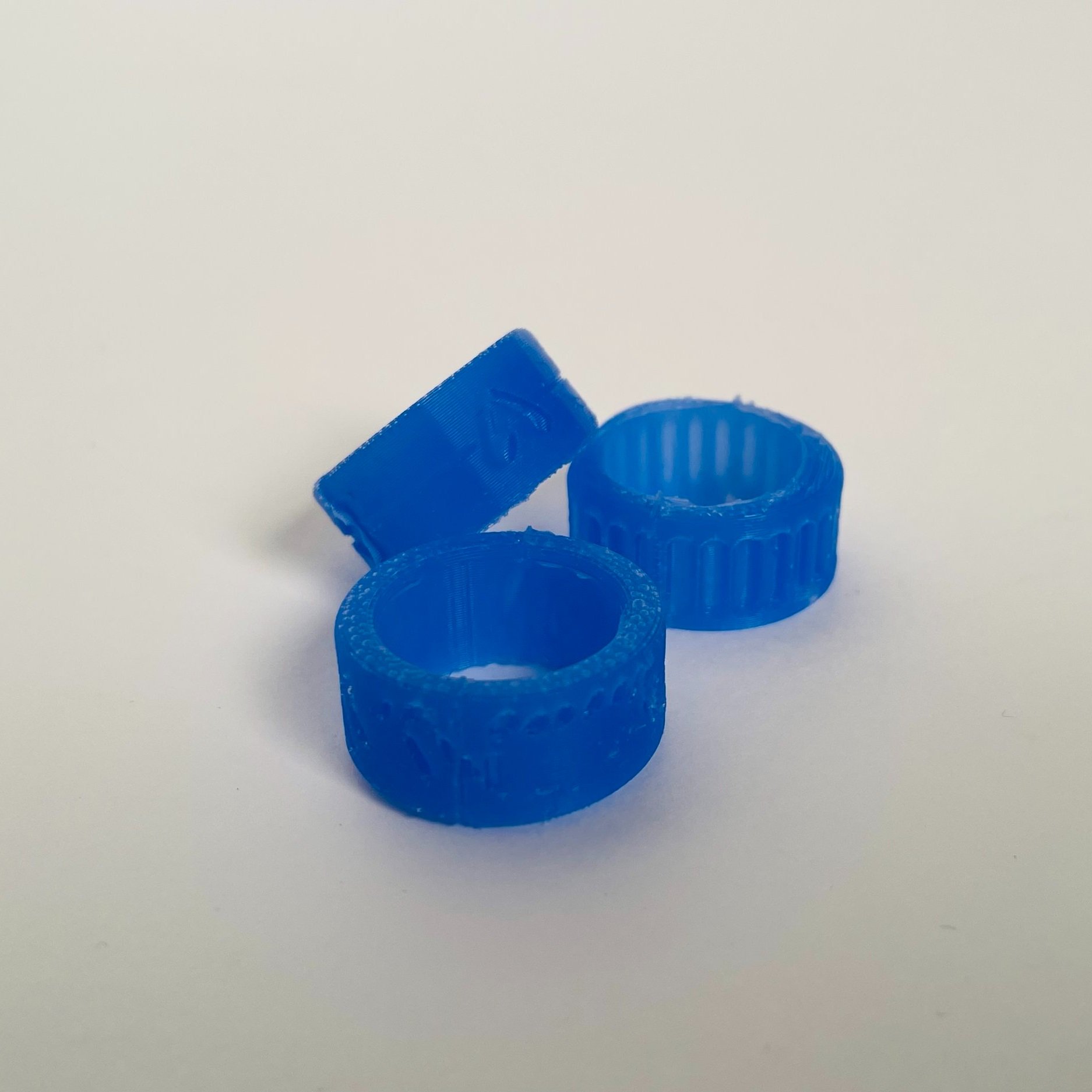
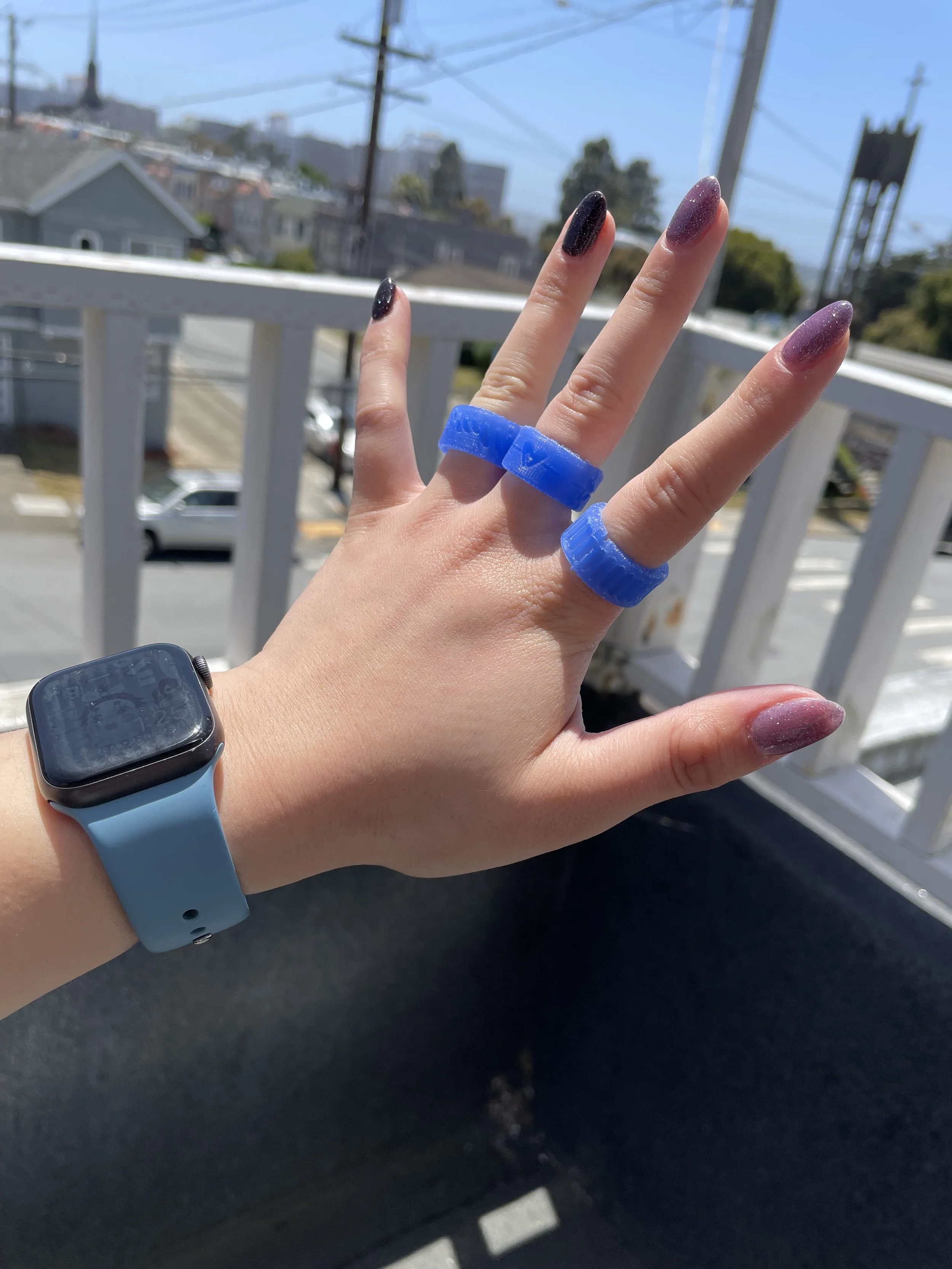
The final result is a set of three unique, size 6 squishy silicone rings. Each ring explores a different combination of form and texture while maintaining the same functional purpose. The soft silicone makes the rings comfortable to wear and gives them a tactile quality that encourages interaction. The project combines functionality, comfort, and tactile enjoyment, creating objects that can be worn as jewelry while also serving as small, engaging objects for the user to squeeze, touch, and manipulate throughout the day.
Casting The Rings
Designing A Fidget Toy
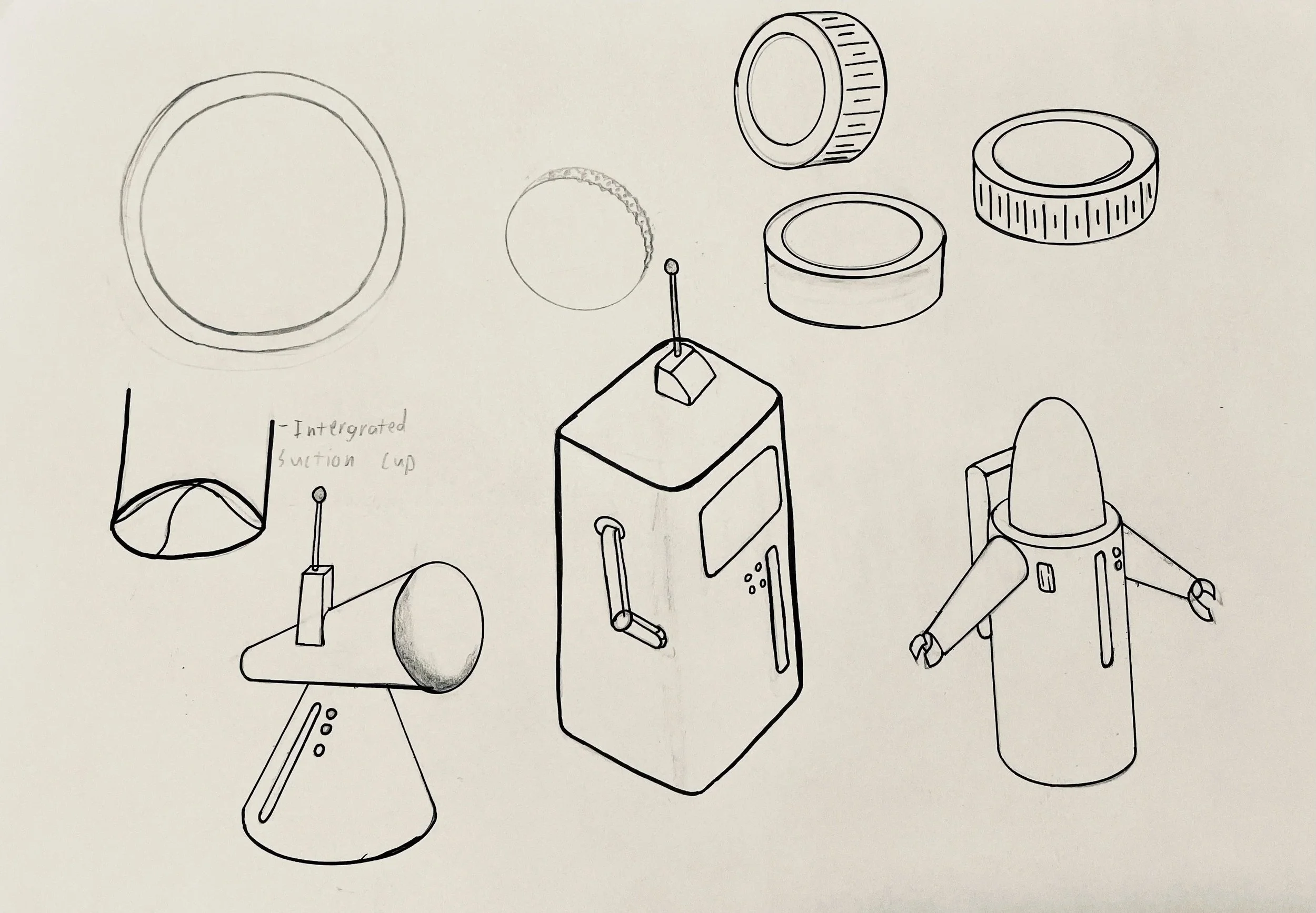
I conducted interviews with fellow fidget enthusiasts to better understand which textures, shapes, and physical sensations people find most satisfying and engaging. These conversations helped me identify common preferences, such as soft or flexible surfaces, repetitive textures, and forms that provide different points of interaction when touched or squeezed. The feedback gave me a better understanding of how a small wearable object could encourage continuous interaction without becoming uncomfortable or distracting.
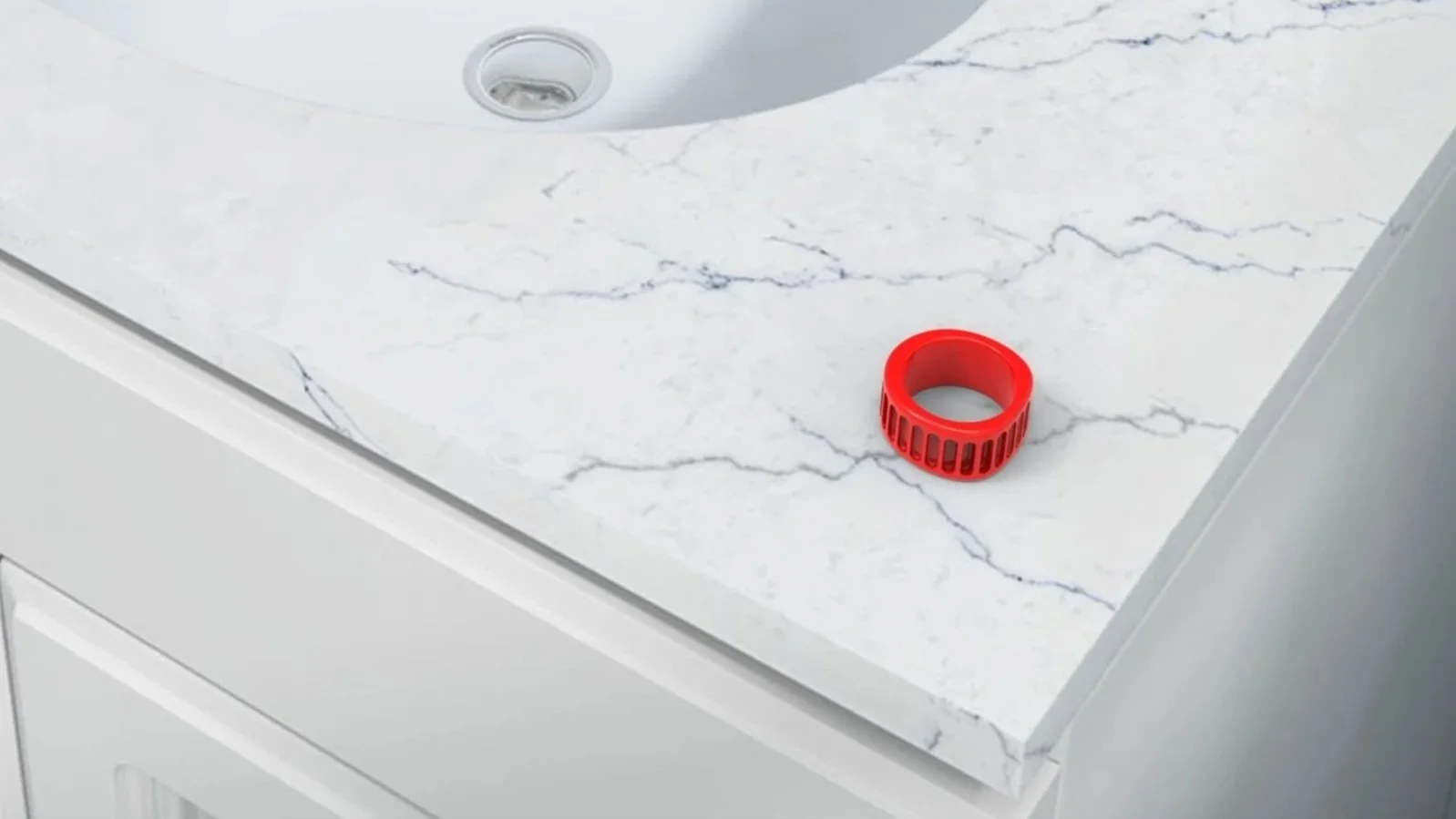
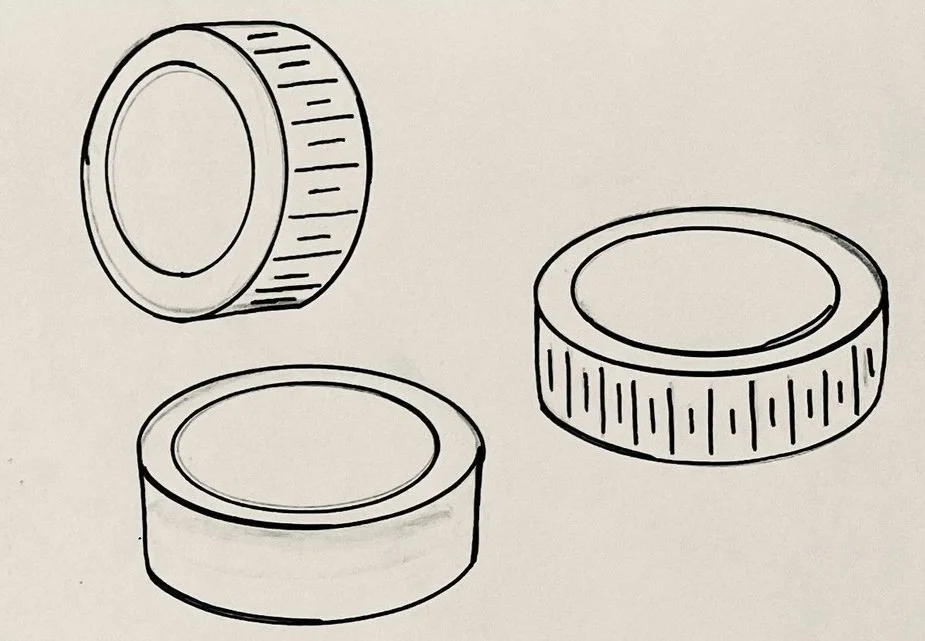
I used these findings to guide the design process and develop three unique ring concepts in Rhino. Each design explored a different combination of texture, shape, and tactile response while maintaining the functionality and comfort expected from a wearable fidget object. I focused on creating forms that were visually distinct but also provided a meaningful physical sensation when handled. The three concepts allowed me to explore different approaches to how texture and form can influence the way a user interacts with a small, everyday object.